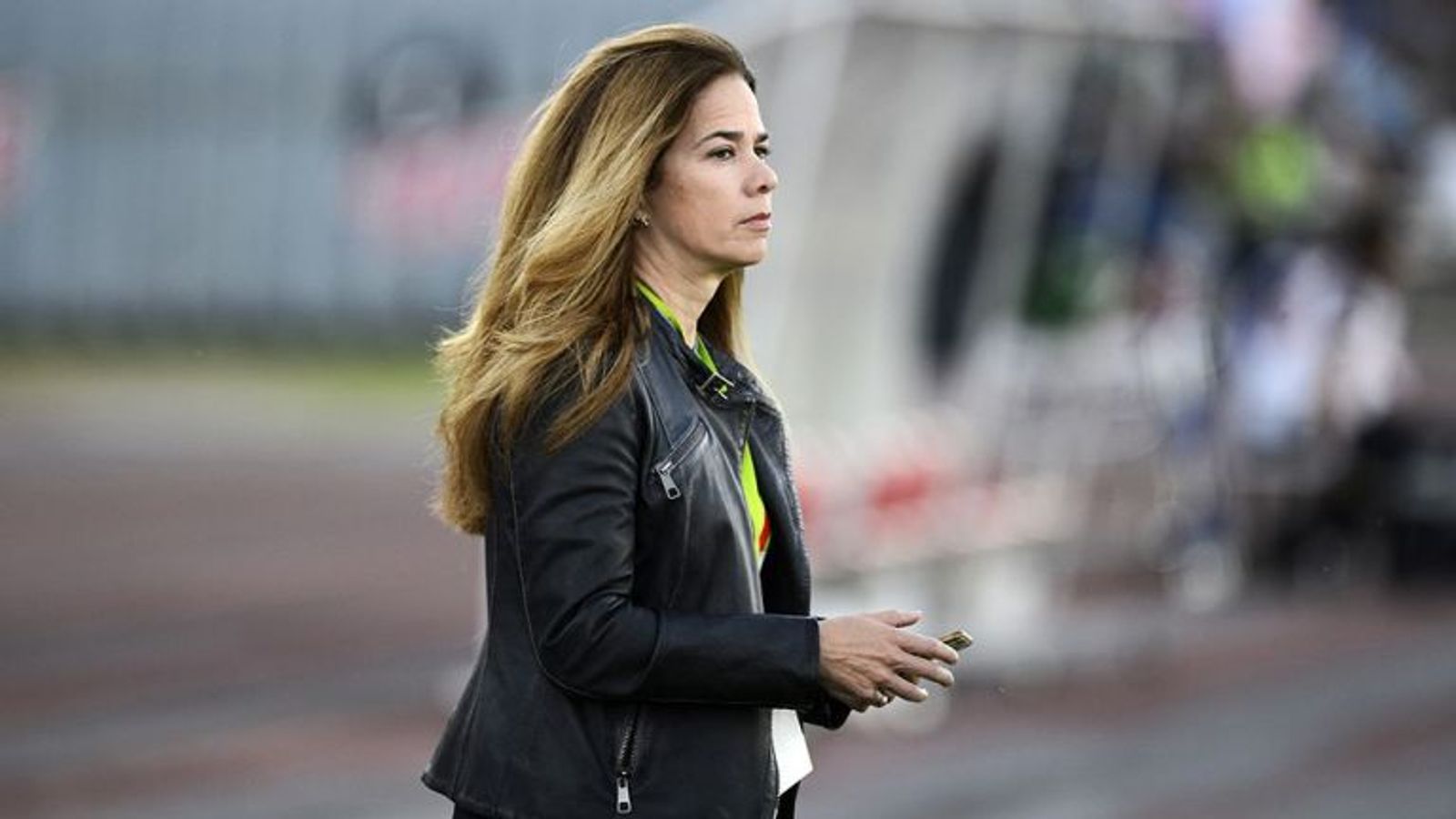
Alejandra de la Vega, a name that resonates within the realms of sports management and entrepreneurial success, is a trailblazer for women in what has traditionally been a male-dominated sphere. Known for her affiliations with the FC Juarez soccer team in Mexico and the El Paso Locomotive FC in the United States, her influence transcends borders, offering an invigorating perspective on the intersections of sports, business, and leadership.
So, what is Alejandra De La Vega’s net worth? While exact figures can fluctuate due to various investments and market conditions, estimates suggest that her net worth is in the range of several million dollars. This wealth stems from a diverse portfolio, including investments in real estate, sports franchises, and other business ventures. As a prominent figure in the sports industry, particularly in soccer, de la Vega’s financial clout is indicative of her acumen and strategic decision-making abilities.
But before we delve deeper into her financial achievements, it’s essential to reflect on her early life and educational background, the groundwork that laid the foundation for her illustrious career.
Alejandra de la Vega was born and raised in Mexico, where the vibrant culture and relentless spirit of her surroundings nurtured her ambition from a young age. Growing up in a family that valued education and hard work, she quickly learned the importance of perseverance. As a bright student, she pursued a degree in Business Administration, which would later prove invaluable in her endeavors. Her educational journey took her across borders, as she later attended esteemed institutions, honing not just her academic skills but also developing a network of influential connections.
Now, let’s talk about her career. After successfully completing her education, de la Vega ventured into the business world where she initially excelled in various roles before finding her true passion: sports management. With her unique vision and sharp business sense, she quickly made a name for herself. In 2018, she made headlines when she became the owner of FC Juarez, a move that showcased her commitment to elevating the standards of soccer in the region. Under her leadership, the club has experienced significant growth, both on and off the field.
The establishment of the El Paso Locomotive FC is another testament to her dedication to the sport. Not only has she invested in building strong teams, but she has also focused on creating a robust community around the sport. By prioritizing local engagement and fostering talent, de la Vega has transformed these teams into beacons of hope and pride for their respective communities. Here arises an interesting challenge: how can emerging entrepreneurs, especially women, carve out a niche for themselves in similarly competitive fields? De la Vega’s trajectory serves as a crucial case study, inspiring many to pursue their ambitions regardless of the obstacles.
Interesting facts about Alejandra de la Vega abound! For instance, she is known for her philanthropic spirit. She believes in giving back to the community, often investing in youth programs related to soccer. Her passion for the sport goes beyond business; she sees it as a vehicle for change and empowerment. Her efforts emphasize how sports can positively influence society, especially when directed towards the youth.
Another fascinating aspect of her persona is her modern approach to leadership. De la Vega is not just a figurehead; she actively engages with fans and players alike. Her presence at games and community events is a testament to her hands-on leadership style, promoting a sense of unity and shared purpose among her teams and their supporters. This openness fosters a culture of communication that is often lacking in traditional sports management structures.
Yet, Alejandra de la Vega’s rise has not been without controversy. As with any significant public figure, scrutiny often looms large. Her business decisions and management style have faced criticism, particularly from traditionalists within the sports community who may resist her innovative approaches. Some have called her bold choices into question, suggesting they stray from conventional practices. Nevertheless, de la Vega stands resilient, embracing her critics as much as her supporters.
Her bold, sometimes polarizing presence raises an intriguing question: Should pioneers in challenging fields ever conform to traditional practices to achieve broader acceptance? Or does true innovation come from challenging the status quo? De la Vega exemplifies the latter, demonstrating that success often requires a willingness to break mold and redefine norms.
In closing, Alejandra de la Vega embodies the quintessence of modern entrepreneurship within the realm of sports. As a successful businesswoman, she defies expectations and blazes trails, inspiring a new generation of leaders. Her story serves as a reminder that with determination, education, and an unwavering belief in one’s vision, anyone can aspire to greatness. Net worth aside, it is her legacy of empowerment, innovation, and community engagement that earns her a lasting place in the annals of sports history.