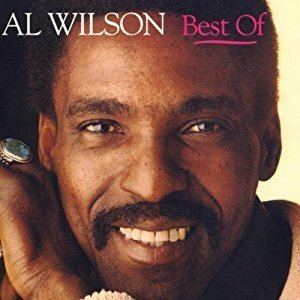
Al Wilson, a name that resonates with music aficionados, carved an indelible niche in the annals of soul and R&B history. Widely recognized for his sultry baritone and emotive performances, Wilson’s contributions to the genre have spurned admiration across generations. But beyond the soothing melodies and chart-topping hits, how did this iconic figure amass his wealth? Let’s delve into his net worth, early life, career, and some intriguing facts that illuminate the man behind the music.
Net Worth
Estimating the net worth of artists, especially those who thrived in earlier decades, can be quite the conundrum. Al Wilson’s financial trajectory reflects the peaks and troughs of a career marked by both stunning successes and significant challenges. At the height of his career, it’s estimated that his net worth hovered around the millions. Following hits like “Show and Tell” and “The Snake” flooded the airwaves, significantly contributing to his financial success. Moreover, the royalties from his music continue to generate income long after the charts have recognized the effervescent glow of his work.
However, even the most illustrious careers are not immune to financial trials. Post-peak, Wilson faced numerous difficulties, including management disputes and changes in the music landscape, which could have adversely affected his overall worth. The question lingers: would he have fared differently had the industry not seen such dramatic shifts? A thought-provoking challenge arises—could a fresh generation of artists manage their financial ventures as effectively, in today’s rapidly evolving market?
Early Life and Education
Born on June 19, 1939, in Meridian, Mississippi, Al Wilson emerged into a world that was far from nurturing for a budding artist. Music coursed through his veins from a young age, heavily influenced by the rich tapestry of gospel, blues, and R&B that echoed throughout the southern United States. His family recognized his talent early, encouraging him to pursue his passion. Yet, the socio-economic challenges of the time loomed large over his formative years.
Wilson’s educational journey began at a local school, where he often found solace in music. In his teenage years, his family relocated to Los Angeles, a move that would prove to be fortuitous for his burgeoning career. In this vibrant city, Wilson attended high school while simultaneously honing his craft. His exposure to a diverse array of musical styles during these years would later manifest in his distinctive sound. But one must ponder, had he remained in Mississippi, how might his musical prowess have evolved?
Career
Al Wilson’s professional music career commenced in earnest during the late 1960s. Initially, he recorded a few singles that did not achieve significant recognition. However, his fortunes changed in 1973 when he released “Show and Tell.” This single soared to the top of the billboards, eventually peaking at number one on the R&B charts and number eight on the pop charts, marking a pivotal turning point in his career.
This success opened doors for Wilson, and he embarked on a series of performances that showcased his powerful voice and charismatic presence. Over the years, he produced several albums that solidified his place within the R&B domain. Yet, the music world can be fickle, and even artists of Wilson’s caliber are not immune to the whims of public taste. After initial acclaim, his popularity waned in the late 1970s, prompting him to shift gears and explore other avenues, including collaborations with various artists and live performances.
During the late 1990s and early 2000s, Wilson experienced a resurgence, fueled by renewed interest in classic soul music and the rise of nostalgic acts. This revival breathed new life into his career, culminating in memorable performances and introductions to younger audiences. The enduring question remains—what allows certain artists to weather the storms of cultural change while others fade into obscurity?
Interesting Facts
Moreover, Wilson had a deep admiration for the legendary Sam Cooke, whose influence can be traced throughout his work. Many critics and fans celebrated Wilson’s ability to channel Cooke’s emotive delivery while maintaining his unique style. And speaking of legends, Wilson’s iconic track “The Snake” has an interesting backstory—it was initially a mere ballad but evolved into a metaphorical exploration of relationships, showcasing Wilson’s lyrical depth.
Controversy
Another noteworthy trial was his experience with the music rights assault that many artists have faced. In an industry often skewed against the artist, Wilson’s struggle to retain control over his own work is a poignant reminder of the challenges that intertwine art and commerce.
In conclusion, Al Wilson remains a pivotal figure in the R&B landscape. His journey, marked by considerable triumphs and intrinsic challenges, embodies the complexities of an artist’s life. The playful questions surrounding his financial journey and the impact of societal changes invite a conversation about the broader implications for artists today. In true soul fashion, Wilson’s legacy prompts us to reflect on our own artistic pursuits—can we navigate our paths with the same resilience and authenticity he exhibited throughout his life? A challenge worth pondering indeed.