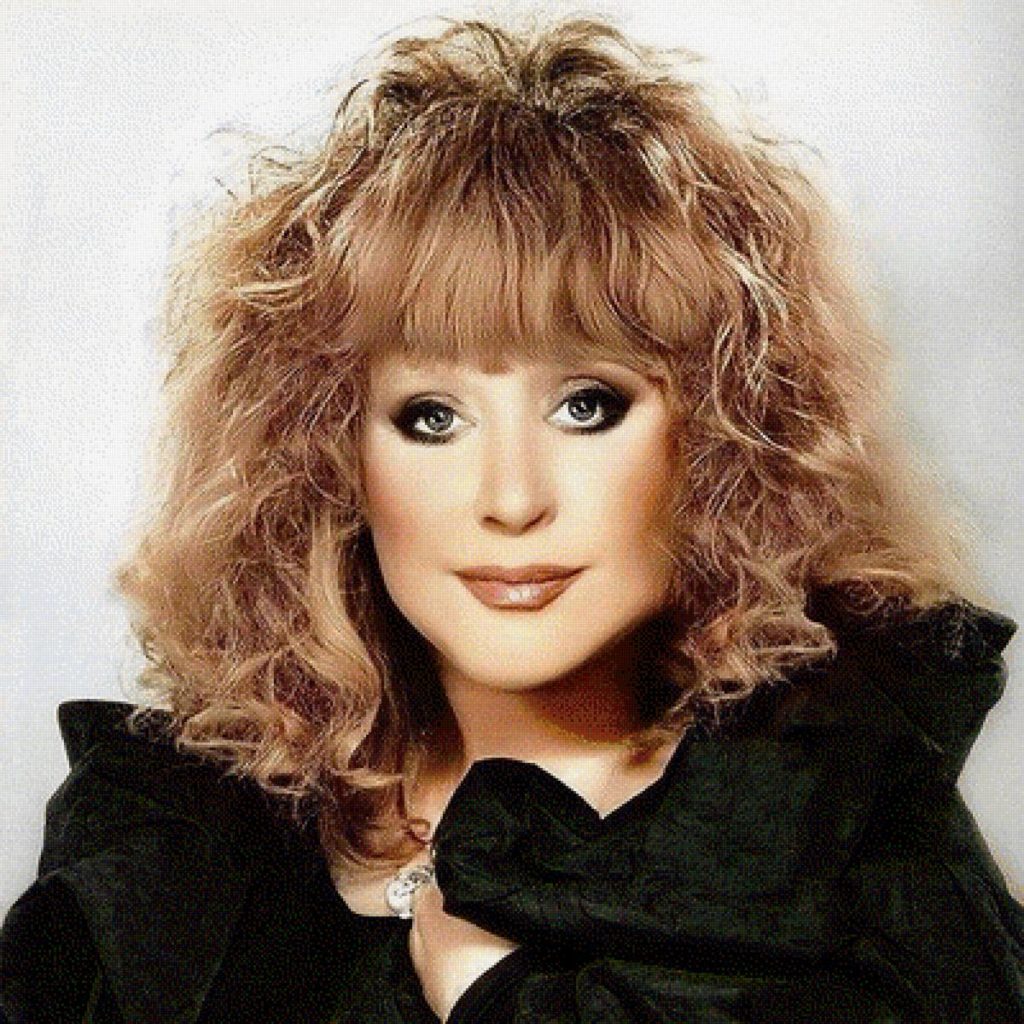
Alla Pugacheva, a household name in Russia and beyond, is often revered as one of the most iconic singers and entertainers in the history of Russian music. With a career spanning over five decades, her influence transcends mere entertainment; she has become an integral part of cultural identity for many. To understand the magnitude of her contributions, one must delve into her early life, education, career achievements, controversies, and fascinating trivia that encapsulate her multifaceted persona.
Early Life and Education
Born on April 15, 1949, in the bustling city of Tashkent, Uzbekistan, Alla Borisovna Pugacheva entered the world in the midst of a politically tumultuous era. Coming from a family of modest means, her mother worked at a factory while her father served in the military. Early exposure to diverse musical genres within her household ignited a passion for music, leading her to take her first steps into the spotlight at an exceptionally young age. By the age of 16, Pugacheva had already begun performing in various local venues, captivating audiences with her vocal prowess.
Her formal education in music began at the Tashkent State Conservatory, where she honed her skills and nurtured her innate talent. This academic background provided her with a solid foundation in music theory, performance, and stage presence. Her rigorous training positioned her to embrace the challenges of the music industry, transforming her from a local talent into a national phenomenon.
Career Milestones
Alla Pugacheva’s professional career commenced in the 1960s when she joined the Soviet Union’s prestigious pop music scene. Her breakthrough came with the song “Robot,” which resonated with the youth of the era and catapulted her into the limelight. Throughout the 1970s and 1980s, she produced a slew of hit songs that topped the charts, including “Million Roses” and “Love like a Dream.” The emotional depth of her lyrics, combined with her distinctive vocal style, allowed her to forge a deep connection with her audience.
The zenith of her career arguably occurred in the late 1980s. In 1987, Pugacheva won the prestigious Golden Orpheus festival in Bulgaria, offering her international fame that further solidified her status as a superstar. Her concerts turned into cultural events, drawing thousands of fans eager to witness her electrifying performances. Over the years, she has released numerous albums, each showcasing her stylistic evolution—from pop and rock to folk music, embracing varying genres while remaining relatable to her audience.
Net Worth
As of recent estimations, Alla Pugacheva’s net worth is speculated to be around $60 million. This staggering figure is a testament to her thriving career in music, but it also reflects her ventures into television and film, where she has made significant contributions. The singer has dabbled in songwriting and production, enhancing her revenue streams and solidifying her position as a multifaceted artist. Additionally, she has been involved in various high-profile endorsements and has left a mark in the fashion industry, further augmenting her financial standing.
Interesting Facts
While Pugacheva’s career is peppered with numerous accolades, several interesting tidbits set her apart. For one, she needs no introduction in the realm of visual storytelling; her music videos often feature cinematic elements that elevate the experience for viewers. In the late 1990s, she developed a keen interest in film production, showcasing her versatility by stepping behind the camera.
Moreover, her marriage to Russian comedian Maxim Galkin stirred media frenzy. An age difference of over 20 years has generated a mix of public sentiment, but their genuine bond is evident to their fans. Together, they have become a celebrity couple, often featured in various entertainment platforms.
Another intriguing aspect of her life is her participation in philanthropically-driven projects. Pugacheva has been active in charitable organizations, using her platform to raise awareness and funds for various causes, particularly those focused on children and the arts.
Controversies
Another notable controversy stemmed from her marriages and personal life. Critics often scrutinized her relationships, questioning her choices and motives. Yet, Pugacheva has always maintained her stance that love knows no bounds, adding depth to her public persona. Her life experiences only deepen her artistic expression, with her songs often reflecting the complexities of personal and professional dilemmas.
Conclusion
In summation, Alla Pugacheva is not merely a singer; she is an institution within the cultural fabric of Russia. With her intriguing early life, illustrious career, considerable net worth, and strikingly vibrant controversies, she encapsulates the essence of what it means to be an artist. Her ability to resonate with generations of fans ensures her legacy endures, becoming an endless source of inspiration for aspiring musicians. Whether adored or criticized, her influence is undeniably significant, reinforcing her place in the annals of music history.