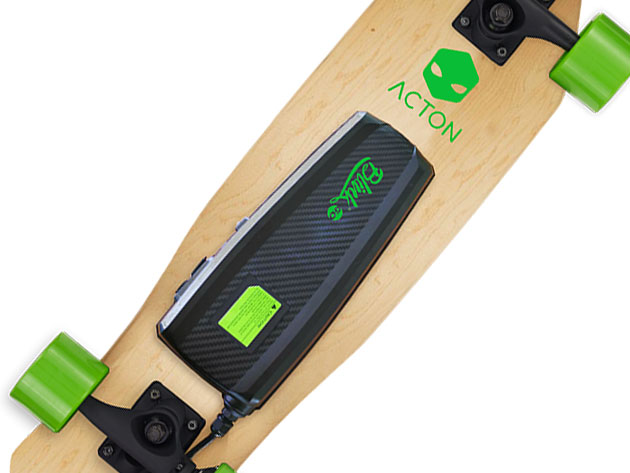
Electric skateboarding has surged in popularity over the years, capturing the imaginations of both thrill-seekers and eco-conscious commuters. Among the notable names in this burgeoning industry is Acton, a company that has gained traction not only for its innovative products but also for the entrepreneurial journey of its founders. Let’s delve into what made Acton Skateboard fascinating, exploring its net worth, early life and education of its key figures, career highlights, intriguing facts, and any controversies that have arisen.
Net Worth
Determining the precise net worth of Acton Skateboard can be challenging, especially since the company operates in the private sector and does not disclose its financial details publicly. However, estimates place its valuation in the millions of dollars, particularly following the successful launch of the Acton Blink series of electric skateboards. With a growing market demand for electric mobility solutions, it is conceivable that the company’s worth has advanced rapidly, influenced by its market share and innovations. Investors and tech enthusiasts alike have shown interest in the electric skateboard niche, which suggests that Acton could potentially thrive in a landscape increasingly gravitating towards sustainable transportation alternatives.
Early Life and Education
The story of Acton Skateboard begins with its co-founders, who remarkably influenced its trajectory. The entrepreneurial spirit behind Acton can be traced back to the nascent years of its founders, who exhibited a penchant for innovation from a young age. Taking a traditional route through the academic sphere, they pursued engineering and design-related degrees, giving them the technical acumen essential for manufacturing cutting-edge electric skateboards. Their educational background laid the groundwork for a creative blend of artistry and engineering that would ultimately shape the Acton brand.
These early experiences not only instilled a profound understanding of product design but also fostered an ethos of sustainability—an ethos that would be pivotal in the conception of the electric skateboard. The founders recognized the growing need for eco-friendly transportation solutions and envisioned a product that was not only exhilarating to ride but also gentle on the planet.
Career Highlights
Acton Skateboard was born from an ambition to create the future of personal transportation. The company’s breakthrough came with the Acton Blink, an electric skateboard that combined portability, speed, and cutting-edge technology. Launched on crowdfunding platforms, the Blink generated considerable interest, highlighting the appetite for innovative personal transport solutions.
The pivotal moment for Acton arrived in 2014, when it launched the Blink Board, a sleek and lightweight electric skateboard. The board boasted advanced features such as Bluetooth connectivity and mobile app integration, which allowed riders to customize their experience. The launch was met with acclaim, as the Blink Board resonated with urban riders craving convenience and thrill.
Following up on its initial success, the company expanded its product line with various offerings that included the Acton Blink S and Blink W. These models catered to a diverse range of users, from casual riders to serious enthusiasts, highlighting Acton’s flexibility in adapting to market needs. Furthermore, the brand has positioned itself as a go-to option for those looking for alternative commuting methods, especially amid increasing urbanization and environmental awareness.
Interesting Facts
Acton Skateboard distinguishes itself through various unique attributes that amplify its appeal. For instance, did you know that the Blink Board can reach speeds of up to 15 mph, making it a viable option for quick commutes? Another fascinating fact is that the boards are equipped with regenerative braking technology, allowing riders to recharge the battery while cruising downhill.
Moreover, Acton Skateboard has courted collaborations with diverse brands across multiple sectors. Its emphasis on both functionality and design has led to partnerships that amplify its visibility in not only the skateboarding community but also the realm of fashion and lifestyle brands. This multiplicity of collaborations has bolstered Acton’s reputation as a culturally engaging brand, rather than just a product manufacturer.
Controversies
Additionally, there have been discussions around the sustainability of lithium-ion batteries used in electric skateboards. As Acton champions its eco-friendly ethos, the environmental impact of battery disposal and production raised eyebrows. Critics highlighted that while electric skateboarding could reduce carbon footprints in use, the lifecycle of the batteries themselves deserves attention. Acton has, however, taken steps to address concerns through potential recycling initiatives and advocating for better materials.
In summary, Acton Skateboard stands as a compelling case study in the electric mobility industry—a sector that continues to evolve at breakneck speed. The company’s journey is emblematic of a broader societal shift towards sustainable transportation solutions while grappling with the growing pains of innovation in a rapidly developing marketplace. With an eye on the future, Acton remains poised to play a pivotal role in the landscape of personal mobility, riding the electric wave toward a greener planet.